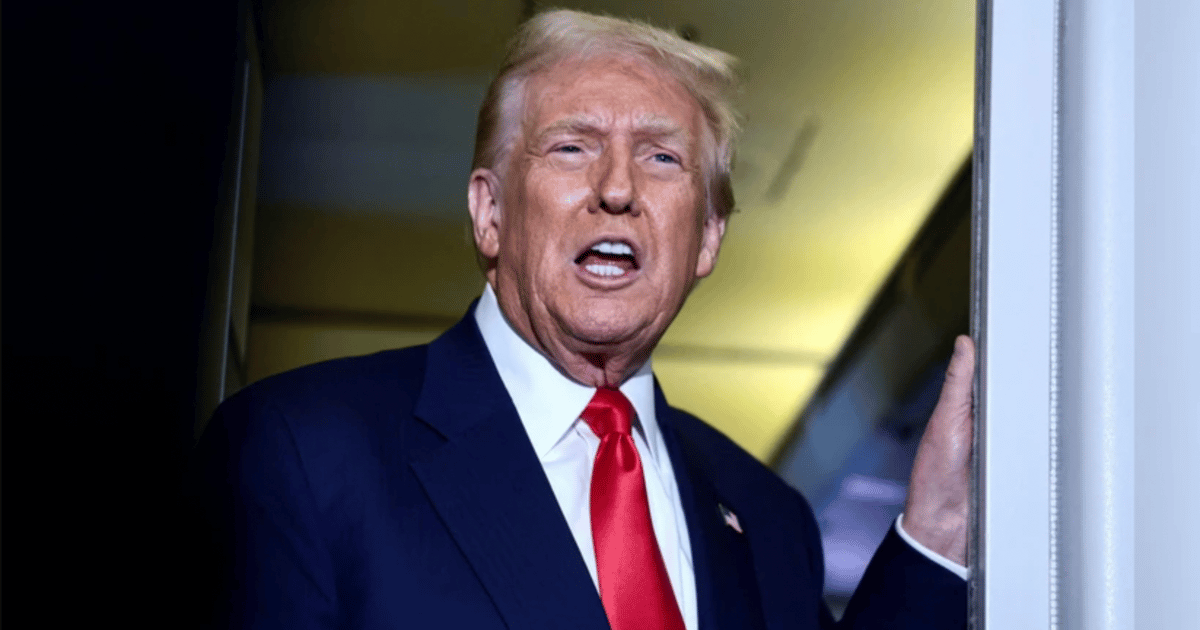
IRS 1390 DIRECT DEPOSITS coming in november rings a bell in ears of every american but is this scheme actauly coming your way or not? The promise of a $1,390 IRS direct deposit payment circulating online has captured public attention, but a closer investigation reveals it is largely misleading and unsubstantiated. Despite persistent rumors and social media buzz, no official government agency has authorized or announced such a payment as part of a stimulus or relief package for 2025.
The Origins of the $1,390 Payment Rumor
Claims about a new IRS payment of exactly $1,390 appear to stem from confusion around past relief efforts such as COVID-19 stimulus checks and ongoing discussions about inflation relief or tariff dividend proposals. Some websites and forums have taken pieces of outdated or speculative information and circulated it as “confirmed” news, leading to misunderstandings among the public.
What the IRS and Treasury Have Officially Said
- The IRS has not issued any statements confirming a $1,390 direct deposit payment scheduled for this year.
- Current IRS announcements and press releases focus on regular tax processing and the conclusion of prior economic impact payment programs.
- The Treasury Department has not funded or legislated any new direct deposit payments of this amount.
- Official IRS and Treasury websites explicitly warn against scams offering fake checks or payments.
Why the $1,390 Figure Is Problematic
- There is no legal or budgetary basis for a $1,390 stimulus or relief payment to Americans in 2025.
- Inflation relief efforts or tariff dividend proposals mentioned in the media involve different amounts and have not been implemented.
- Some misunderstood tariff dividends involve larger payments proposed by political figures but await Congressional approval and funding.
- Even proposed payments are not uniform or guaranteed to be direct deposits.
Risks of Relying on Unverified Claims
Spreading and believing unconfirmed IRS payment news creates several risks:
- Potential scams that impersonate the IRS to steal personal and financial information from vulnerable individuals.
- Misplaced expectations by people who may rely financially on a payment that does not exist.
- Public confusion and erosion of trust in legitimate government communications.
What Americans Should Do
- Monitor only official IRS.gov and Treasury.gov announcements for any payment news.
- Ignore social media rumors or websites promoting unofficial “IRS $1,390 direct deposit” schemes.
- Be skeptical of unsolicited calls, emails, or messages asking for personal or banking details related to supposed payments.
- Consult trusted news sources and financial advisors for accurate information.
Conclusion
Despite persistent chatter, the $1,390 IRS direct deposit payment for 2025 remains a myth with no official backing. Careful examination shows no authorized program or funding for such a payment exists today. Relying on verified government sources and staying alert to scams is essential to avoid misinformation and protect personal finances in a time of economic uncertainty. Anyone hoping for new IRS payments should prepare with a cautious, informed approach rather than assume unconfirmed claims.